Oxfam Warns of Super-Rich RuleBillionaires topped 3,000 worldwide in 2025, their wealth soaring 16% to $18.3 trillion
By: Majid Maqbool
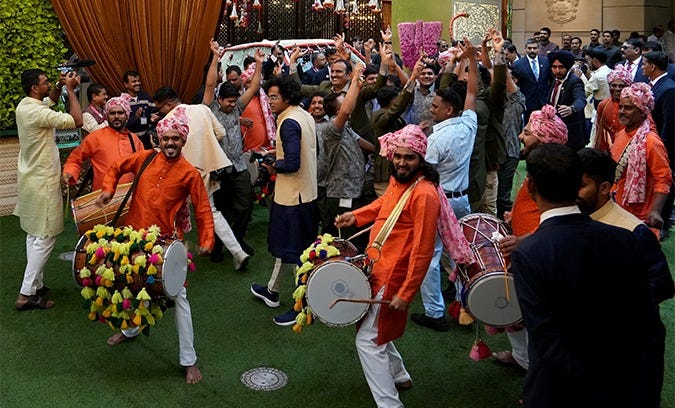
When Amazon founder Jeff Bezos married Lauren Sánchez in Venice last June, the nuptials were estimated to have cost up to US$56 million, a lavish, multi-day celebration for approximately 200–250 guests included venue buyouts, high-profile celebrity guests, and extensive security. But Bezos looked like a mendicant compared to the 2024 wedding of Anant Ambani and Radhika Merchant, which was estimated at US$600 million, spanning several months and featuring international performances by Rihanna, Justin Bieber, and Katy Perry, alongside a Mediterranean cruise and a star-studded Mumbai ceremony. Nor were the Ambanis alone. After the end of the Covid-10 pandemic, “some of the biggest weddings in the business and entertainment world blended with extravaganza in India,” according to the gossip site Bollywood Shaadis. This kind of wretched excess, other than raising envy among the hoi polloi, raises the question: Are billionaires wrecking the world? Critics argue that the new ultra-concentration of extreme wealth creates systemic harm across sectors, with the richest 1 percent using their concentrated wealth lobby for favorable regulations, effectively capturing government policy, blocking climate action, weakening labor rights and eroding democratic representation. They pay a lower effective tax rate than average workers by utilizing loopholes and offshoring, shifting the burden of public services like infrastructure onto the general population. UK-based Oxfam International, a global confederation of NGOs working together to alleviate poverty, sought to address the question recently with a report that billionaire wealth increased three times faster than the average annual rate over the previous five years at a time when one in four people don’t regularly have enough to eat and nearly half of the world’s population lives in poverty… This is a preview sent to free subscribers like you. The full content of this article is available exclusively to our paid subscribers. Read the full story here. To enjoy the complete Asia Sentinel experience and access more in-depth, independent reporting, please consider subscribing for just US$10/month or US$100/year. Support independent journalism. Subscribe today. This is among the stories/excerpts we choose to make widely available.If you wish to get the full Asia Sentinel experience and access more exclusive content, please do subscribe to us for US$10/month or US$100/year.
|