CBFC's 'obsession' with sanitising films is ruining our cinema experience
Obsession is the film the world is obsessed with this summer. As the world dissects every scene and line, the Indian audience has to contend with watching a watered-down version, courtesy the CBFC.
Obsession is the film the world is obsessed with this summer. As the world dissects every scene and line, the Indian audience has to contend with watching a watered-down version, courtesy the CBFC.
Welcome to this week’s edition of the HT Entertainment newsletter! Obsession has taken over the world. Curry Barker’s indie horror has grossed close to $150 million worldwide, and it finally found release in India this weekend. However, the Central Board for Film Certification (CBFC) ensured that what we Indians see is not Curry Barker’s vision, but their gatekept version of it. The version of Obsession released in India deletes two pivotal scenes, including one that has been hailed as the film’s biggest jump scare and most impactful scene.
The logic from the censor board, as always, is restricting ‘graphic violence’ and ‘graphic sexual activity’. And that would make sense had the film not been rated for adults only. Bollywood Hungama quoted an insider as saying, “Universal Pictures did try their best to get the film cleared without any cuts, especially since the film received an ‘A’ rating. But the Examining Committee (EC) had reasons to believe that such sexual and violent content is not suitable for the Indian audience.” The producers did not contest the ruling, as doing so would require going to the revision committee and would delay the release. The end result was that a scary scene from a horror film was cut for adult audiences. Go figure!
Inde Navarrette in the global sensation Obsession
Perhaps the CBFC should remember that, at the end of the day, its job is to certify films, not treat the audience like toddlers that need to be given monitored content. Certifying a film for adults and then telling those adults what they can and cannot watch is an insane amount of censorship and a surprising lack of faith in the audience’s ability to self-regulate.
Even Dhurandhar faced the scissors
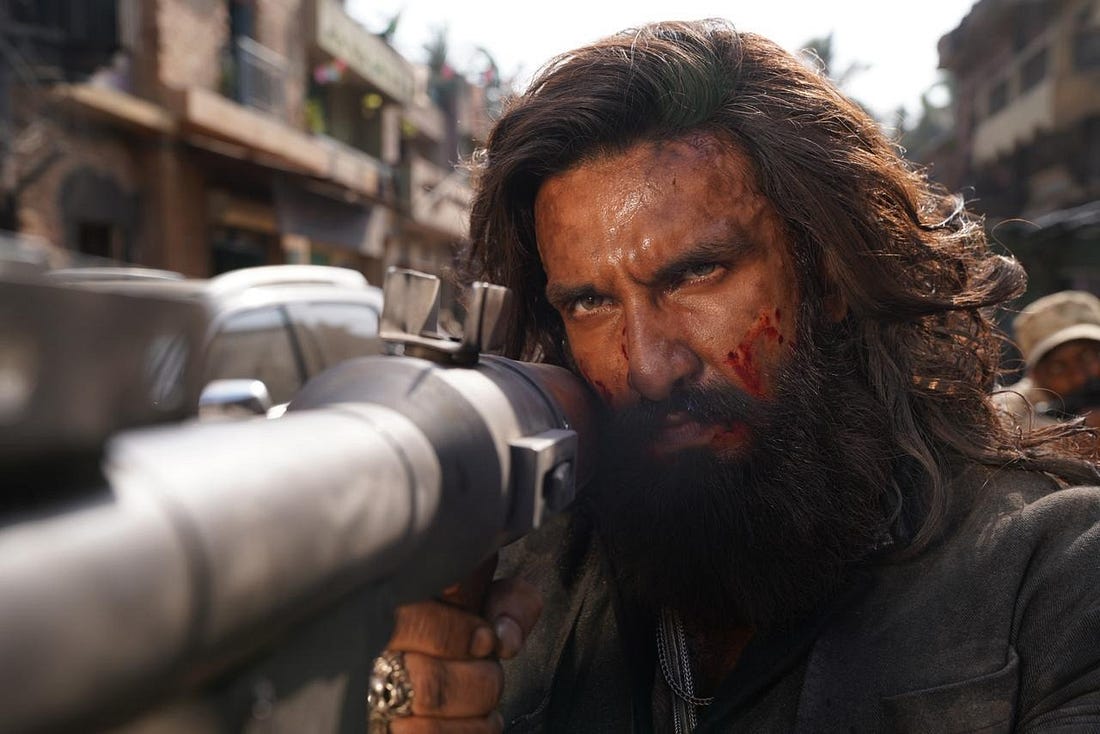
It’s not as if only Hollywood films face the CBFC’s notorious scissors. Dhurandhar, the most successful Hindi film of recent years, had several minutes of footage cut and chopped, again despite an A-rating for the film. When the ‘Raw and Undekha’ version of the film was released on Netflix (only overseas), viewers abroad informed Indians what they had missed out on. In a film that had no qualms about showing graphic torture and beheadings, showing a man kicking a severed head was seen as too much.
Ranveer Singh’s Dhurandhar was a blockbuster despite the cuts it faced.
Who decides this arbitrary line and on what basis? Nobody knows. But for now, courtesy the CBFC, Indians have to resort to watching diluted versions of all films, or navigate the uncharted waters of VPN-led internet to find pirated copies of their favourite films.
It’s the same old cry
While censorship has been increasingly discussed in India of late, the chopping of films is nothing new. Years ago, during the making of Paying Guest, Dev Anand decided to reshoot a song with him and Nutan, as they were originally riding a cycle. The makers felt the censors would object to the two actors being so close together, and hence, Nutan was given her own cycle. This was self-censorship by the makers, who did not want the song chopped. The fear of the censors’ scissors was present even seven decades ago.
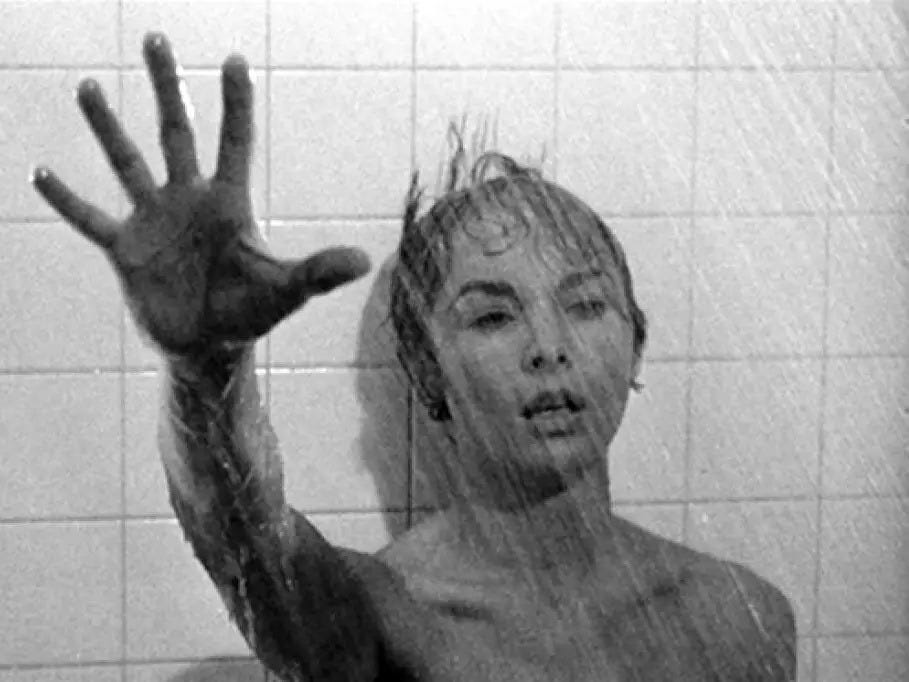
My father watched Alfred Hitchcock’s Psycho in theatres when it first released in India in the early 1960s. Almost half a century later, when we watched it together, he remarked how he was watching some of the scenes for the first time. The Indian version had removed the classic Janet Leigh shower death scene almost entirely, as it was deemed ‘too graphic’.
Janet Leigh’s iconic death in Psycho was cut almost completely in India
The impact that scene had was pivotal in establishing the villain and their savagery towards this innocent woman. The censors robbed Indian audiences of that, just as they did six decades later with Obsession. As actor Nadeesh Nambi lamented on social media, addressing the cuts, “Why will the audience go to theatres if you are giving them half the experience?”
And therein lies the crux of the debate: in a day and age when you are fighting to keep cinemas relevant, just how does cinema compete with its competition for eyeballs, when its own regulators are hell-bent on ensuring it doesn’t get a level playing field.