🌮 Meet California Burrito’s Bert Mueller; ✨ A metal too shiny to own

 
01 February 2026View in Browser


Hello,


In today's newsletter, we will talk about:

  1. Meet California Burrito’s Bert Mueller
  2. A metal too shiny to own
  3. Payoneer's local currency bet
  4. Gig works stuck in low-paying jobs

Here’s your trivia for today: If you have ‘mageirocophobia’, what are you afraid of?


Interview
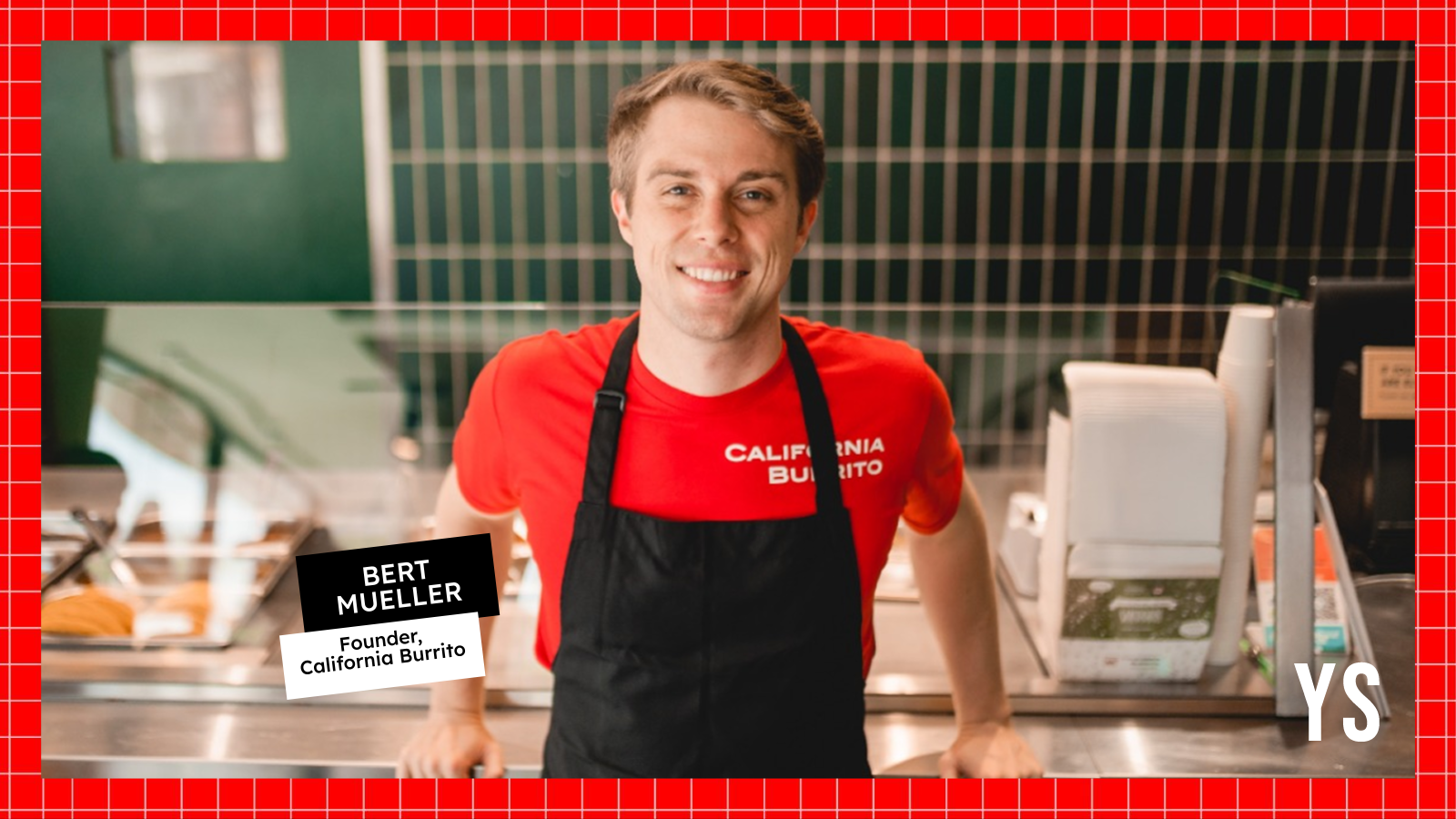
Meet California Burrito's Bert Mueller

The story of California Burrito is familiar enough by now that it does not need retelling in full. The first store opposite Goldman Sachs at Embassy Golf Links. The avocado trees that took five years to fruit. The elephants that trampled some of them. The tomatillos grown in Karnataka. The decision to stay bootstrapped when every venture capitalist in Bengaluru was throwing money at anything that called itself foodtech. 


What is less familiar is the texture of how Bert Mueller thinks. A CEO of a popular food company once called Mueller an ‘American Marwadi’, a description that delighted Mueller, and he does not dispute.


Building in India:

  1. The founder of India’s largest Mexican food chain discusses why he refused to Indianise his menu, how 400 farmers found him on Instagram, and why more competition in food delivery is welcome.
  2. “Farming is always a very long-term affair… If you want to do this well, you have to have great ingredients… If you can’t get them, you have to grow them. If you import them, no one can afford them,” Mueller says on not compromising on the essence of the brand.
  3. On dining in, he says, “We try to ensure our marketing drives people into dine-in because we prefer that. First off, the food tastes better in the store. It’s fresh. You can see it, it looks great. It’s a good environment. We invest money in the store, so we want people to come.”

Know More


In-depth
A metal too shiny to own
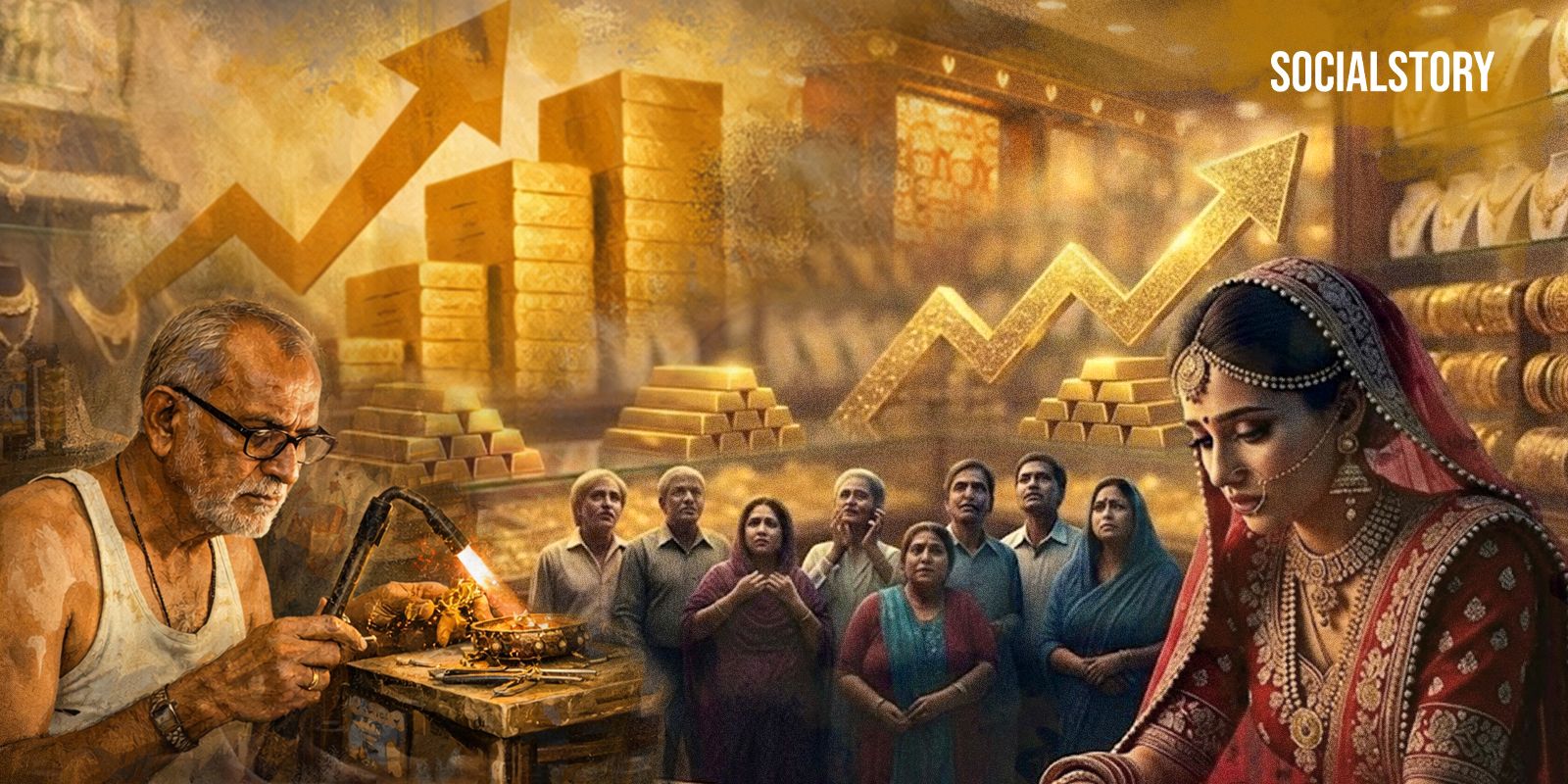
As gold prices continue to soar, the impact is no longer confined to markets and jewellers. What was once a commodity discussed in investment columns and trade reports is now shaping conversations among common people. 


Gold in India crossed Rs 1,60,000 per 10 grams (24 carat) last week, up from Rs 1,36,000 on December 31, 2025. SocialStory examines whether there are ripple social effects beyond the market. Through conversations with gold buyers, jewellers, and financial experts, we trace how tradition, aspiration, and economics are being reshaped.

Know More


CapTable Recent Stories


Alt Carbon is tapping a major tea belt to deliver what climate-tech often only promises
 
 
Alt Carbon is tapping a major tea belt to deliver what climate-tech often only promises
From helping improve yields in Darjeeling's tea plantations to issuing Asia's largest Enhanced Rock Weathering carbon credits, the startup is offering early proof that science-led carbon removal may finally be moving from promise to practice. There are challenges ahead, though.
 
Continue Reading
Why Bollywood is now selling equity instead of dreams
 
 
Why Bollywood is now selling equity instead of dreams
As box-office volatility rises and traditional safety nets disappear, Bollywood producers are turning to corporate capital for stability. From equity dilution to music-led deals, IP ownership and recurring revenues are fast replacing star power as the industry's core risk hedge.
 
Continue Reading
 
Inside the never-ending battle for Byju's most prized asset: Aakash
 
 
Inside the never-ending battle for Byju's most prized asset: Aakash
Aakash was meant to anchor Byju's offline ambitions. Instead, delayed payments, lender deals, Singapore vehicles, boardroom battles and a contested rights issue have turned the acquisition into a multi-layered ownership fight, where control is disputed, and the original deal still remains...
 
Continue Reading
What Urban Company's pension push reveals about gig worker welfare in India
 
 
What Urban Company's pension push reveals about gig worker welfare in India
Urban Company's HDFC pension tie-up underscores the widening gap between platform-defined benefits and workers' demand for statutory social security.
 
Continue Reading


Interview

Payoneer's local currency bet

For years, cross-border transactions were riddled with challenges for Indian small and medium businesses (SMBs) looking to sell overseas, due to high costs, unpredictable settlement timelines, and opaque foreign exchange conversions.


But this landscape has begun to shift, says Gaurav Shisodia, Vice President & Country Manager for India at Payoneer, a global payment platform. According to Shisodia, changes in payment infrastructure and access to local collection systems are enabling a broader range of Indian SMBs to participate in global commerce and look beyond traditional markets such as the United States and the United Kingdom.


Key takeaways:

  1. Historically, international payments for Indian exporters relied almost entirely on SWIFT transfers. Platforms such as Payoneer allow Indian SMBs to collect payments in buyers’ local currencies through multiple methods while settling funds transparently into Indian bank accounts.
  2. Improved payment access has also widened the geographical network for Indian exporters. While the US and UK once dominated outbound trade flows, SMBs are increasingly exploring markets in Europe, Middle East, and Southeast Asia.
  3. Looking ahead, Payoneer plans to deepen its investment in India and is also setting up a product and R&D hub in Gurugram and a global operations centre in Bengaluru. It has also applied for a payment aggregator licence in India.

Know More


Insight
Gig workers stuck in low-paying  jobs

India's gig workforce has surged 55% since 2021 to reach 12 million workers. The number represents over 2% of the country's labour force, according to the government's latest Economic Survey released Thursday.


But the rapid expansion has exposed deep fault lines in worker protections, with 40% of these workers earning below Rs 15,000 monthly. The report notes that workers cannot afford the basic equipment needed to escape low-paying gigs.


Loop:

  1. The survey proposes platforms and employers to co-invest in worker assets and training. This would enable delivery workers to acquire vehicles for ride-hailing, or basic equipment for skilled trades.
  2. India's gig economy is projected to contribute Rs 2.35 lakh crore ($28 billion) to GDP by 2030 and represent 6.7% of the non-agricultural workforce.
  3. Ecommerce dominates the sector with 3.7 million gig workers—roughly 31% of the total—followed by logistics at 1.5 million.

Know More


News & Updates

  1. Source: Google’s search feature AI Overviews cites YouTube more than any medical website when answering queries about health conditions, according to research that raises fresh questions about a tool seen by 2 billion people each month. 
  2. Stake: The Trump administration is taking a 10% stake in USA Rare Earth as part of a $1.6 billion debt-and-equity investment package aimed at helping the company develop a domestic mine and magnet facility. The deal and a separate $1 billion private investment will be unveiled on Monday.
  3. AUM: Vanguard's assets under management outside the ​US have exceeded $1 ‌trillion for the first time, the Financial Times reported. In the next five years, ​the asset manager is seeking to ‍more than double its international client count to nearly ⁠40 million.


Did you know?


If you have ‘mageirocophobia’, what are you afraid of?


Answer: Mageirocophobia is an intense, often irrational fear, of cooking. Derived from the Greek word ‘mágeiros’ (which means ‘chef’/‘butcher’), it involves fear of making mistakes while cooking or excessive worry about the health effects or taste of the food.


We would love to hear from you! To let us know what you liked and disliked about our newsletter, please mail nslfeedback@yourstory.com


If you don’t already get this newsletter in your inbox, sign up here. For past editions of the YourStory Buzz, you can check our Daily Capsule page here.

 
FeedbackUnsubscribeNewsletters
 
 
Previous Post Next Post

Contact Form